Our Location
304 North Cardinal St.
Dorchester Center, MA 02124

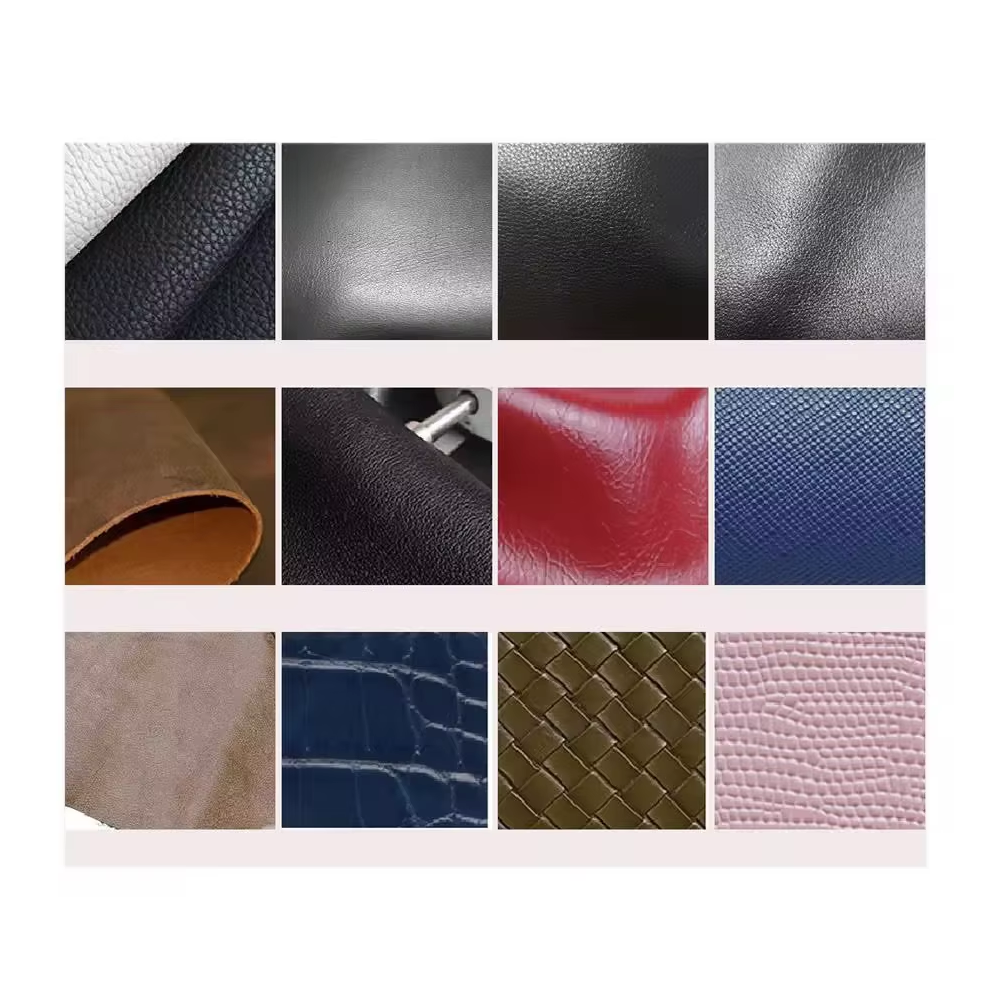
When we touch a leather product, the first thing that catches our eye is the pattern on the leather surface. These patterns include natural marks bestowed by nature, such as the neck and belly wrinkles of cowhide, as well as artificial designs created by human craftsmanship, like embossing, carving, and printing. The world of leather patterns is rich and diverse, serving as an important component of leather appearance while being closely linked to leather quality, usage, and fashion design.
Cowhide is one of the most common leathers, with distinct natural patterns in different body parts. The neck area, due to frequent movement, has more skin folds, forming unique neck wrinkles. These patterns are usually rugged, with deep and irregular lines, giving a tough and vintage feel. The abdominal skin is relatively loose, with delicate and soft belly wrinkles that are evenly distributed, presenting a natural aesthetic. Some high-end brands deliberately retain the natural neck wrinkles of cowhide when designing handbags, using their unique texture to create vintage-style products loved by consumers.
Sheepskin is soft-textured, with delicate and unique natural patterns. The evenly distributed pores on its surface form a natural texture, exuding a gentle and elegant vibe. Sheepskin’s natural patterns are usually shallow and understated, making it suitable for crafting delicate leather goods like gloves and wallets.
Crocodile leather is a precious material with highly recognizable natural patterns. The scales on the back form neat square or diamond-shaped patterns, with clear and hard lines that possess strong decorative appeal. These natural patterns symbolize the leather’s identity – each crocodile skin has a unique pattern, making crocodile leather products representative of high-end luxury goods.
The formation of natural patterns is closely related to the animal’s living environment, habits, and skin structure. These patterns not only add unique beauty to the leather but also reflect its quality to some extent. For example, areas with dense natural patterns may have tougher and more durable leather.
Embossing creates regular patterns on leather surfaces using molds. This process can produce various designs such as stripes, grids, and floral motifs. The principle involves transferring the mold’s pattern to the leather through pressure, creating a concave-convex texture. Suitable for mass production, embossing quickly forms uniform patterns and is widely used in manufacturing bags, shoes, and other leather goods. Its advantages include high efficiency, low cost, and neat patterns; however, it lacks design flexibility with relatively simple patterns.
Carving is a more artistic processing technique, using manual or mechanical methods to engrave intricate patterns like landscapes, figures, and animals onto leather. This requires artisans with superior skills, making each carved leather product a unique work of art. Ideal for high-end customization, carving is often used in producing luxury goods such as handbags and belts. Its strengths lie in unique artistic patterns, though it has the drawbacks of low productivity and high costs.
Printing applies pigments or dyes to leather surfaces to create patterns, enabling colorful designs such as abstract art, cartoons, and text. Similar to paper printing, it uses techniques like screen printing and heat transfer to transfer images onto leather. Suitable for fashionable and personalized products like phone cases and wallets, printing offers rich patterns and vibrant colors. However, its durability is relatively poor, with possible fading or peeling after long-term use.
Artificial processing not only changes leather appearance but can also adjust its properties as needed. For instance, some embossing can enhance surface wear resistance, while printing can improve water resistance.
Leather patterns play a crucial role, affecting both the appearance and quality-usage relationship of leather goods. For consumers, unique patterns are key factors in choosing personalized and stylish products. For designers, patterns serve as vital design elements to express creative concepts and styles.
In the fashion industry, changes in leather patterns reflect evolving trends. Different eras favor different patterns – natural patterns gain popularity during retro waves, while artificially processed ones dominate the personalized fashion era.
Leather patterns represent the interwoven art of nature and craftsmanship, combining nature’s magic with human ingenuity. Both natural and artificial patterns add unique charm to leather, driving the development of the fashion industry. With technological advancements and rising aesthetic standards, the world of leather patterns will continue to evolve, bringing more surprises.
